
Channel letter signs in Boston are one of the most recognizable ways to put a business name on a building. You see them over storefronts in neighborhood business districts, on office lobbies and across retail plazas: individual three-dimensional letters, often lit from inside, that stay readable day and night.
Choosing the right sign involves more than picking a font. Lighting style, wall material, mounting method, local permits and long-term maintenance all affect how the sign looks and how much it costs to own. This guide walks Boston-area business owners and property managers through each decision so you can plan a sign that fits your building, your brand and the city process.
Table of Contents
What Are Channel Letter Signs?
A channel letter sign is made of individual letters, logos or symbols, each built as its own shallow “can”. Each letter has a face, sides called returns and a back. Lighting, today usually LED modules, sits inside the can and shines through the face, out the back or both.
Because every letter is a separate piece, channel letters follow the exact shape of your logo and typography. The result looks more premium and architectural than a flat cabinet sign, and it stays legible after dark, which matters in a city where many businesses compete for attention on the same block.
- Face: translucent acrylic or polycarbonate on front-lit letters, or opaque metal on halo-lit letters.
- Returns: the sides of each letter, usually aluminum, painted to match the brand.
- Back: solid on front-lit letters, clear or open on halo-lit letters so light reaches the wall.
- Trim cap: an edge that holds the face on many front-lit letters; trimless designs offer a cleaner look.
For Boston businesses, the appeal goes beyond looks. Many neighborhoods mix residential and commercial uses, have narrow sidewalks and include historic buildings, so a sign has to be readable while also fitting the character of the street. Well-proportioned channel letter signs in Boston can do both: they are bold enough to be seen from a passing car yet refined enough to respect the architecture. That balance is also why landlords and design reviewers often favor individual letters over large boxy cabinets on older facades.
Channel Letter Signs vs. Other Storefront Sign Types
Channel letters are not the only option for a facade. Comparing them with other common sign types helps you choose with confidence.
| Sign type | Look | Best for |
|---|---|---|
| Channel letters | Individual illuminated letters, premium and architectural | Storefronts, plazas, offices that need nighttime visibility |
| Lightbox (cabinet) sign | One illuminated box with graphics on the face | Simple layouts and budget-conscious projects |
| Dimensional letters (non-lit) | 3D letters in metal, acrylic or PVC | Daytime businesses, lobbies, well-lit facades |
| Blade (projecting) sign | Perpendicular to the building | Sidewalk visibility in walkable districts |
| Window graphics | Vinyl on glass | Hours, services and promotions |
Many Boston storefronts combine two or three of these: channel letters for the main name, a blade sign for pedestrians and window graphics for details. Planning them together keeps the facade consistent and within the limits set by zoning and landlord criteria.
5 Lighting Styles for Channel Letter Signs in Boston
1. Front-lit (face-lit)
The most common style. LEDs inside the letter push light through a translucent face, so the whole letter glows. Front-lit channel letters offer strong nighttime visibility and are a dependable choice for storefronts on busy streets.
2. Halo-lit (reverse-lit)
The face is solid metal and the light shines backward onto the wall, creating a soft glow behind each letter. Halo-lit letters feel upscale and work well for professional offices, salons and restaurants. They look best on light-colored, matte walls; dark or very glossy surfaces reduce the halo effect.
3. Front and halo combination
Light passes through the face and out the back at the same time. This style combines the brightness of front-lit letters with the depth of a halo and makes a strong statement on larger facades.
4. Open-face
The lighting is exposed or behind a clear face, giving a vintage or industrial character. It is a distinctive choice for hospitality and entertainment venues that want a retro look.
5. Side-lit
Translucent returns let light glow from the sides of the letters. Side lighting adds a modern accent and can be combined with front or halo lighting.
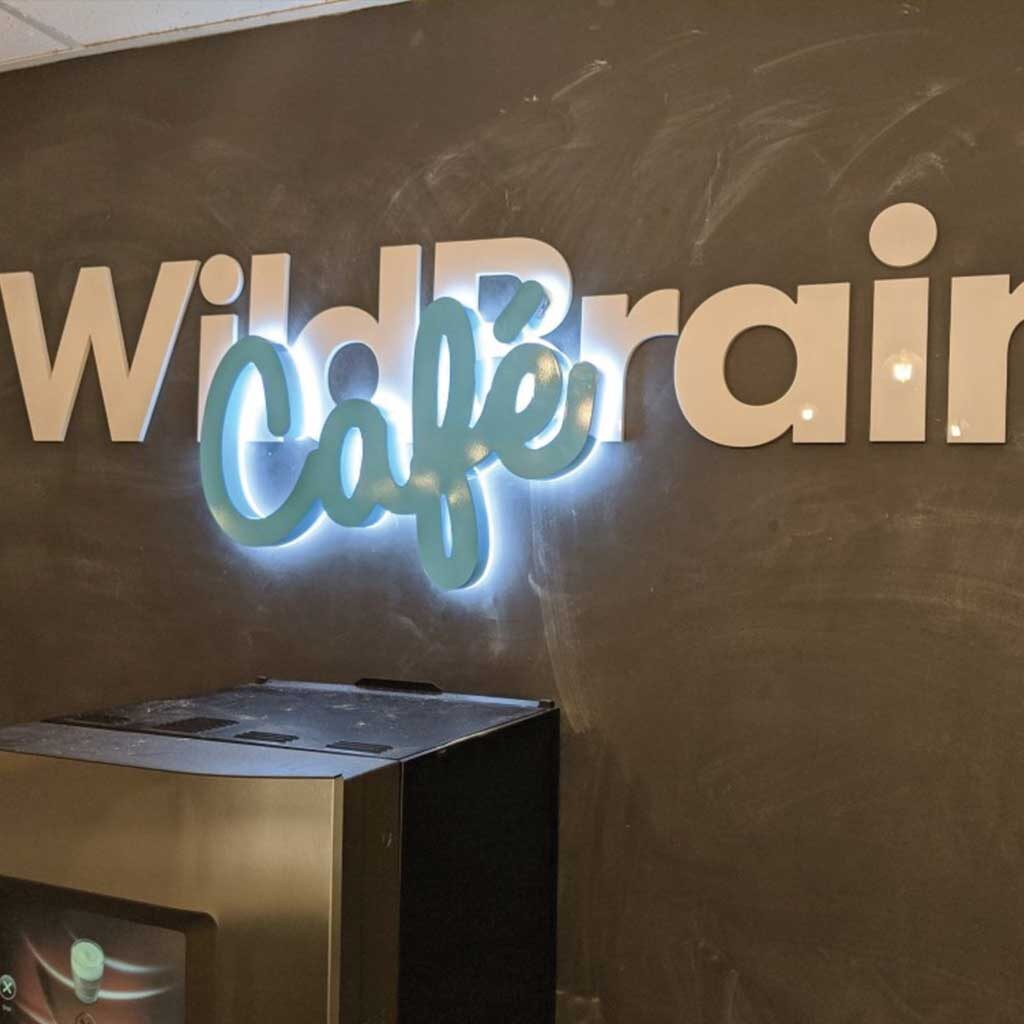
Mounting Options: Flush, Raceway or Backer Panel
How the letters attach to the building affects appearance, installation time and how many holes go into the facade.
- Flush (direct) mount: each letter is attached directly to the wall and wiring passes through the wall to power supplies inside. It gives the cleanest look but requires access behind the wall.
- Raceway mount: letters mount to a slim metal box, the raceway, which holds the wiring and power supplies. Only a few penetrations are needed, which landlords often prefer, and the raceway can be painted to match the wall.
- Backer panel: letters mount to a shaped or rectangular panel that adds contrast behind them, useful on busy or dark facades.
Your landlord or property manager may have sign criteria that specify the mounting method, colors or maximum size. Request those criteria before design begins so the proposal is approved the first time.
Permits for Channel Letter Signs in Boston
Signs in the City of Boston require a permit from the Inspectional Services Department (ISD), which checks compliance with building and zoning codes. The zoning rules for signs are found in Article 11 of the Boston Zoning Code.
- Long Form permit: for installing a new sign where one did not exist before.
- Short Form permit: for work on an existing sign.
- Electrical permit: required for lighting in a sign and applied for by a licensed electrician.
- Design review: depending on location, the Planning Department may review the design, and buildings in Main Streets districts or special overlay districts may have additional guidance.
Applications are submitted online through the ISD permit portal and must include documents such as dimensioned drawings that show the location and specifications of every proposed sign. The City also publishes storefront signage guidance for business districts. Neighboring communities, including Everett, Cambridge, Somerville and Quincy, run their own permit processes, so the requirements change when you cross city lines.
Permit rules change over time. Always confirm current requirements with the City before ordering a sign.
Electrical Safety and Listing
Illuminated channel letters are electrical equipment mounted on a building, so safety and code compliance matter. The National Electrical Code includes a dedicated article for electric signs, and it generally requires electric signs to be listed and labeled by a recognized testing laboratory. Ask your sign provider whether the letters and power supplies are listed, how the sign will be connected and who will handle the electrical permit and inspection.
Modern LED modules use far less energy than the neon commonly used in older signs and produce less heat. Many businesses also add timers or photocells so the sign switches on at dusk and off at a set time.
How to Choose the Right Channel Letters for Your Business
- Start with your logo. Very thin strokes and small details are hard to fabricate and light evenly. Your sign partner may suggest small adjustments for the sign version of the logo.
- Consider viewing distance. Letters seen from across a wide street or parking lot need to be larger than letters in a narrow sidewalk storefront.
- Match lighting to brand personality. Front-lit for maximum visibility, halo-lit for an elegant, understated look.
- Check the wall. Brick, glass, metal panels and stucco each need different fasteners and may favor a raceway or backer.
- Think about color at night. Some colors look different when lit; request a lit sample if color accuracy matters.
Want to see your sign before committing? Use our free letter sign mockup request to preview the design on your storefront.
Finally, think about the long term. A sign is usually expected to serve the business for many years, so choose a design that will still feel right after the next brand refresh. Clean typography, a strong logo and quality construction age better than trends. If you plan to open additional locations, document the sign specifications now so future channel letter signs in Boston and beyond can be ordered quickly and match exactly.
Materials and Durability in New England Weather
Exterior signs in Massachusetts face snow, ice, salt air near the coast, heavy rain and summer heat. Quality construction is what keeps channel letter signs in Boston looking good for years.
- Aluminum returns and backs resist rust and hold paint well.
- UV-stable acrylic or polycarbonate faces help limit yellowing and fading.
- Sealed seams and drainage prevent water from collecting inside the letters.
- Quality LED modules and power supplies provide consistent brightness and dependable operation in cold temperatures.
- Proper fasteners matched to brick, concrete, metal panel or wood framing keep the sign secure in wind.
Ask your provider what warranty applies to the LEDs, power supplies and finishes, and how service calls are handled if a letter goes dark.
Interior Channel Letters for Lobbies and Offices
Channel letters are not only for exteriors. Illuminated or halo-lit letters behind a reception desk create a memorable first impression for clients and visitors. Interior installations avoid weather exposure, so designers have more freedom with finishes, thinner profiles and color-changing LEDs. Pair a lobby sign with consistent wayfinding signage so the experience continues through the rest of the space.
From Design to Installation: Our Process
- Site survey: we photograph and measure the facade, check the wall material and confirm electrical access.
- Design and rendering: we create a scaled rendering of your sign on the building, with lighting options.
- Landlord and permit drawings: we prepare dimensioned drawings to support landlord approval and the permit application.
- Fabrication: letters, returns, faces and lighting are built and tested.
- Installation: our team mounts the sign safely, coordinates with the electrician and checks the lit result after dark.
Planning the facade as a whole? Our article on storefront remodeling and signage covers how signs, lighting and exterior updates work together, and our signage consulting service helps with multi-location standards.
What Affects the Cost of Channel Letter Signs
Every sign is custom, so pricing depends on the project. Understanding the main factors helps you compare proposals fairly.
- Letter height and number of characters: larger letters and longer names need more material and lighting.
- Lighting style: halo-lit and combination letters usually involve more complex fabrication than standard front-lit letters.
- Logo complexity: custom shapes and multiple colors add design and production time.
- Mounting method: flush mounting, raceways and backer panels each require different labor and materials.
- Site conditions: height, lift access, wall material and electrical work all affect installation.
- Permits and drawings: the effort to prepare documents and coordinate approvals.
When comparing quotes, make sure each one includes the same lighting, materials, mounting, electrical connection and permit support. A lower number that leaves out installation or permits is not really lower.
Keeping Your Sign Consistent with Your Brand
Your storefront sign is often the largest version of your logo that customers will ever see. Small inconsistencies in color, spacing or proportions become very noticeable at that size. Start from the official vector logo files and brand colors, and check the rendering carefully before approving fabrication.
Consistency also extends beyond the facade. When the same colors and lettering appear on your vehicles, interior signs and website, customers recognize the business instantly wherever they see it. MSC works across signage, vehicle graphics and brand design, which makes it easier to keep every touchpoint aligned. For multi-location businesses, consistent channel letters at every site reinforce the feeling of one reliable brand across the city.
Maintenance Tips for Illuminated Channel Letters
- Inspect the sign after dark periodically to catch letters or sections that are dim or out.
- Clean faces gently with non-abrasive products to keep light even.
- Check that timers or photocells are set correctly as daylight hours change through the seasons.
- After major storms, look for loose letters, damaged faces or water intrusion.
- Keep the original drawings and specifications so replacement parts match.
Simple maintenance protects the investment and keeps your business name shining every night of the year.
Common Channel Letter Mistakes
- Ordering a sign before checking landlord criteria and city permit requirements.
- Choosing halo-lit letters for a dark or glossy wall where the glow will not show.
- Using a highly detailed logo with strokes too thin to light evenly.
- Sizing letters for a computer screen instead of real viewing distance.
- Skipping a lit sample when exact brand color at night matters.
A good sign partner helps you avoid these problems early, when changes are still easy and inexpensive. That is the best way to get channel letter signs in Boston approved, installed and performing on schedule.
Channel Letter Signs in Boston: FAQs
Do I need a permit for channel letter signs in Boston?
Yes. Signs in Boston require a permit from the Inspectional Services Department. A new sign uses a Long Form permit, work on an existing sign uses a Short Form permit, and illuminated signs also need an electrical permit pulled by a licensed electrician.
What is the difference between front-lit and halo-lit channel letters?
Front-lit letters shine light through a translucent face so the letter itself glows. Halo-lit letters have a solid face and direct light onto the wall behind them, creating a glow around each letter.
What is a raceway on a channel letter sign?
A raceway is a slim metal enclosure that holds the wiring and power supplies. The letters mount to it, which reduces the number of holes in the building and simplifies installation.
Are LED channel letters energy efficient?
LED modules use much less energy than older neon lighting and generate less heat, which helps reduce operating costs. Timers or photocells can further control when the sign is on.
Can channel letters be installed on brick?
Yes. Brick is a common surface for channel letters. The installer selects fasteners suited to masonry and may recommend a raceway to minimize penetrations.
How long do LED channel letters last?
Lifespan depends on the quality of the LED modules, power supplies and construction, as well as weather exposure. Ask your provider for the warranty terms on each component.
Who handles the permit for a new sign?
Property owners and contractors can apply for sign permits in Boston, and the electrical permit must be pulled by a licensed electrician. Many businesses have their sign company prepare the drawings and coordinate the process.
Plan your storefront sign with MSC
MSC Branding Services designs, fabricates and installs channel letter signs in Boston, Everett and throughout Greater Boston, and we can help coordinate drawings for the permit process. Visit our Boston sign design and installation page, call (617) 203-2060, or request a quote.